-
Transmission and Distribution Substations
-
Substations for Mining
-
-
Medium & High Voltage Engineering Solutions
We are a multidisciplinary firm with extensive experience in medium and high voltage engineering with applications in: substation design and automation, power system analysis, and renewable energy solutions.
Quick Facts About Pro Watts
-
16-years proven record
-
Specialized High Voltage Engineers
-
Certified and Insured
For Owners
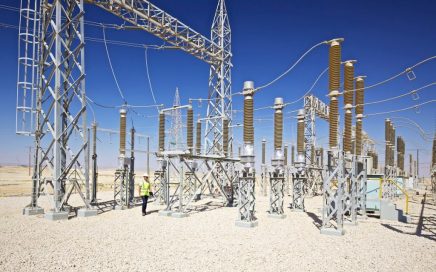
Our engineers perform a variety of services ranging from demand response analysis to CaPEX and OpEX studies.
Substation Solutions
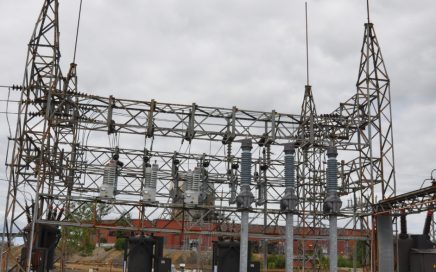
Our engineers provide end-to-end solutions for substation solutions including: design, automation, protection, and control.
Power System Analysis
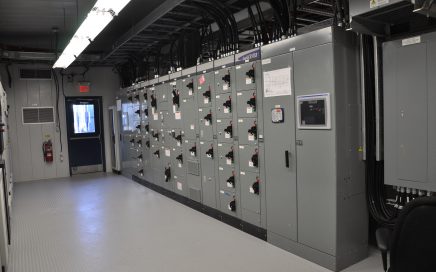
Our engineers perform system studies and simulations to ensure all components operate optimally and without failure.
Renewable Energy
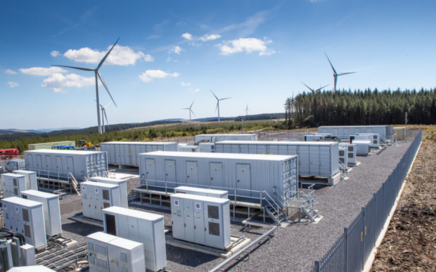
Our engineers provide the expertise for designing and building reliable systems for renewable power generation.
Our Clients
Public and private partners we are trusted by.