|
Pro Watts | ||
| Home| Basics| Products| Industry Links| Contact Us | ||
|
Windmill (Wind Turbine) | ||
|
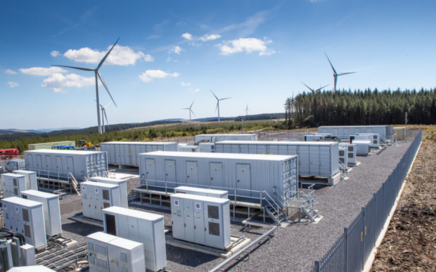
Wind energy basically is a product of the sun energy unevenly heating up the earth surface creating a movement of the air. An estimated 1 to 3 percent of the energy from the Sun is converted into wind energy. This is about 50 to 100 times more energy than is converted into biomass by all the plants on earth through photosynthesis. Wind flow patterns are modified by the earth's terrain, bodies of water, and vegetative cover. Humans use this wind flow, or motion energy, for many purposes: sailing, flying a kite, and when "harvested" by wind turbines, can be used to generate electricity. So how do wind turbines make electricity? Simply stated, a wind turbine works the opposite of a fan. Instead of using electricity to make wind, like a fan, wind turbines use wind to make electricity. A wind turbine obtains its power input by converting the force of the wind into torque (turning force) acting on the rotor blades. The amount of energy which the wind transfers to the rotor depends on the density of the air, the rotor area, and the wind speed. Wind turbines are available in a variety of sizes, and therefore power ratings. Since the introduction of modern wind turbines their size has been increasing continuously. Especially the last years wind turbines sizes have been increasing at an enormous rate. The nominal power of the wind turbine is directly related to the driving torque, which is determined by the speed and amount of air that passes the rotor. So increasing the size of the turbines has a direct impact on the performance of the wind turbines. The largest machine has blades that cover an area of four football field, stands for more than 85 m hub height, and produces enough electricity to power 1,400 homes. A small home-sized wind machine has rotors between 8 and 25 feet in diameter and stands upwards of 30 feet and can supply the power needs of an all-electric home or small business. Utility-scale turbines range in size from 50 kilowatts and up. Single small turbines, below 50 kilowatts, are used for farms, telecommunications dishes, or water pumping. AdvantagesWind energy is a free, renewable resource, so no matter how much is used today, there will still be the same supply in the future. Wind energy is also a source of clean, non-polluting, electricity. Wind turbines don't produce atmospheric emissions that cause acid rain or greenhouse gasses. Wind energy is one of the lowest-priced renewable energy technologies available today, costing between 5 and 7 cents per kilowatt-hour, depending upon the wind resource and project financing of the particular project. Wind costs are much more competitive with other generating technologies because there is no fuel to purchase and minimal operating expenses. DisadvantagesThe major challenge to using wind as a source of power is that the wind is intermittent and it does not always blow when electricity is needed. Wind energy cannot be stored (unless batteries are used); and not all winds can be harnessed to meet the timing of electricity demands. Good wind sites are often located in remote locations, far from cities where the electricity is needed. Although wind power plants have relatively little impact on the environment compared to fossil fuel power plants, there is some concern over the noise produced by the rotor blades, aesthetic (visual) impacts, and birds and bats having been killed (avian/bat mortality) by flying into the rotors. Most of these problems have been resolved or greatly reduced through technological development or by properly sitting wind plants. |
||
| Contact Us | Sitemap | ||
|
|
||
| ŠPro Watts, Inc. All rights reserved. |